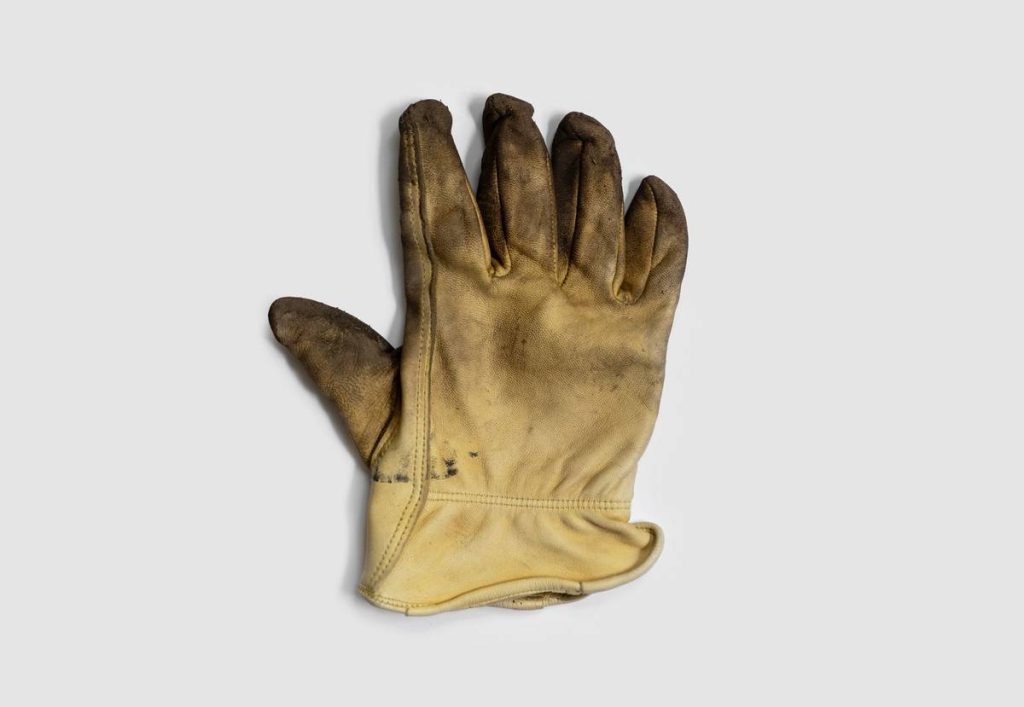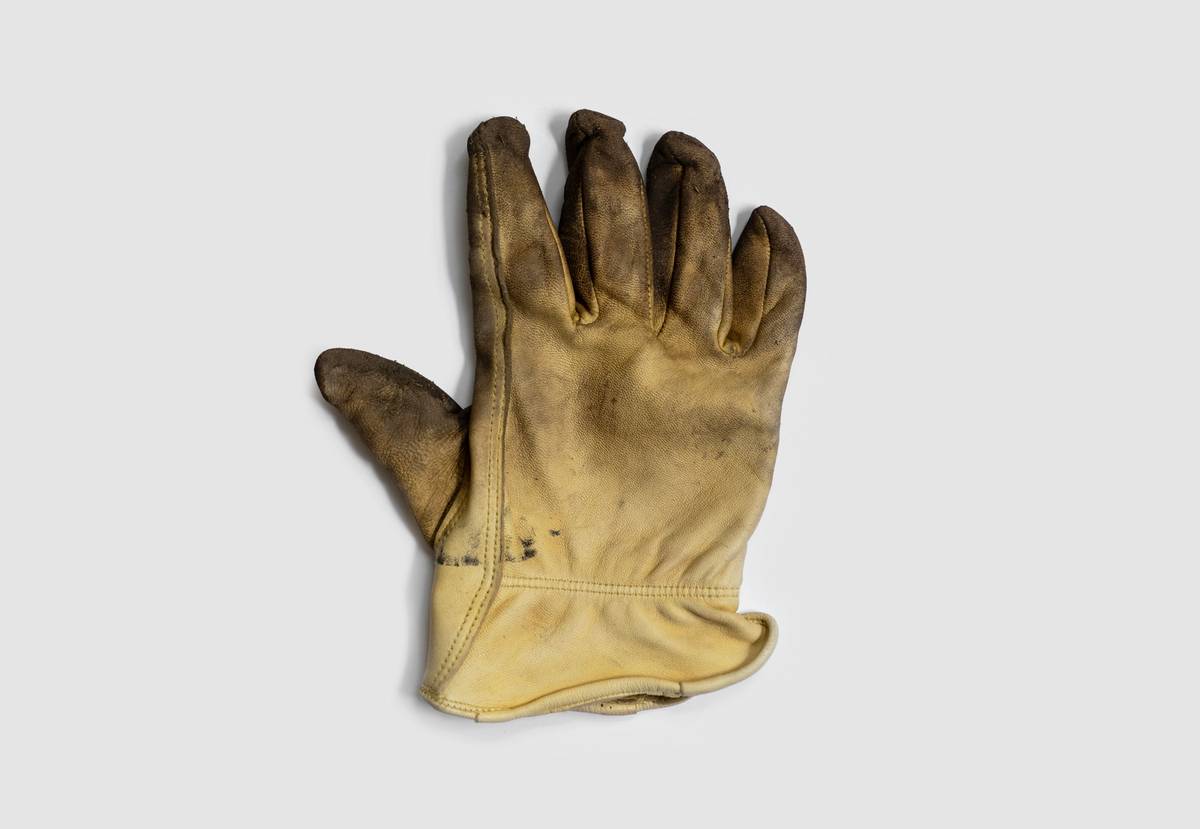
Your fingers burn. Your forearms scream. You’re three moves from the crux—and your grip vanishes. This isn’t weakness. It’s Hand Fatigue Reduction failure. Most climbers blame chalk or training. But what if the real culprit wraps around your hands every session?
Why Standard Gloves Make Hand Fatigue Worse—Not Better
Slip-on “climbing gloves” sold online? They’re mostly theater. Thin, unstructured fabric with zero biomechanical intent. They trap sweat, deaden tactile feedback, and add bulk without support. And that friction you feel? It’s not helping—it’s creating micro-resistance that exhausts tendons faster.
Climbing demands precision. Not padding. Yet 90% of so-called “adventure gloves” prioritize abrasion resistance over dynamic hand mechanics. The result? You’re fighting your own gear while clinging to rock.
How to Achieve Real Hand Fatigue Reduction: A Tactical Approach
Forget comfort-first design. Focus on **load distribution**, **joint alignment**, and **breathable tension zones**. Here’s how:
Select Gloves Engineered for Tendon Relief
Look for articulated knuckle panels that mimic finger flexion—not flat slabs of material. Seamless palm construction prevents pressure hotspots during crimps.
Prioritize Material Layering Over Thickness
A dual-layer palm with a moisture-wicking inner mesh and a high-friction outer skin reduces slippage without muffling feel. Less is more—but only if it’s smart less.
Fit Like a Second Skin—Not a Mitten
If you can’t pinch a dime between thumb and forefinger while wearing them, they’re too loose. Precision evaporates with slack.
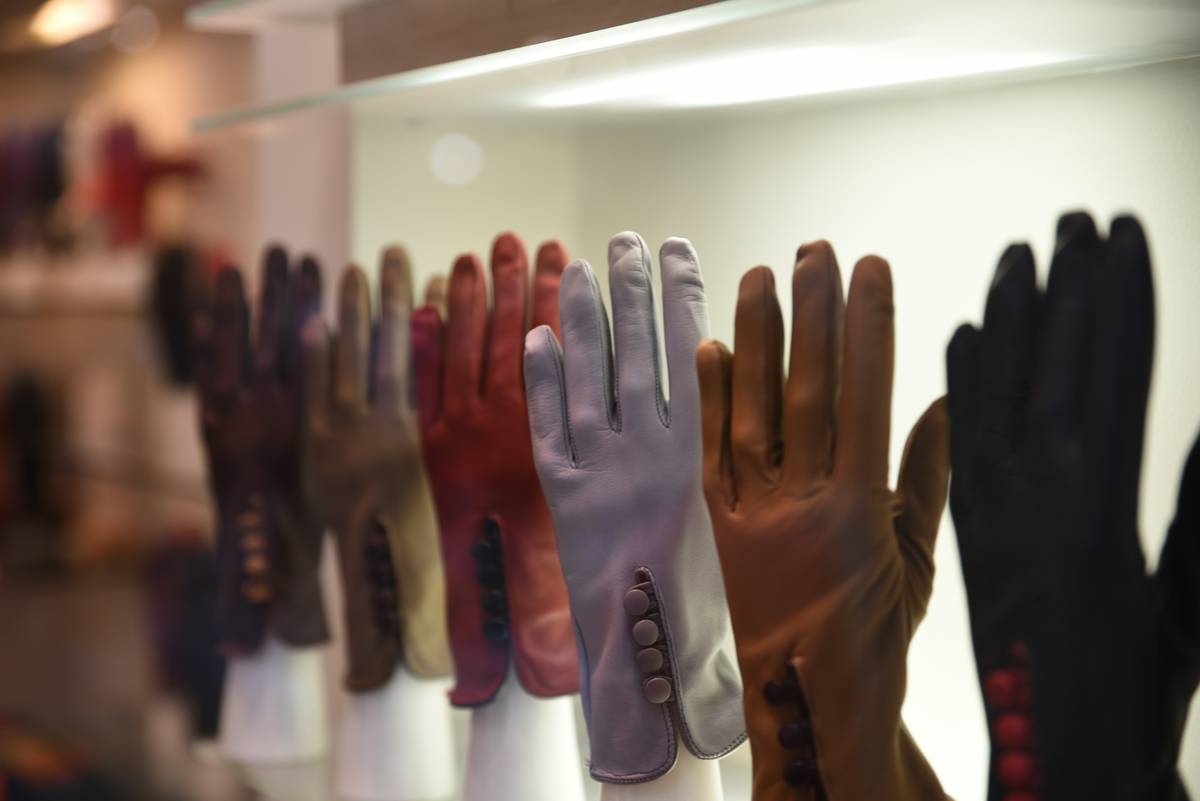
| Glove Feature | Reduces Hand Fatigue? | Why It Matters |
|---|---|---|
| Flat palm, single-layer fabric | No | Creates uneven pressure; increases tendon strain during sustained grips |
| Articulated finger gussets + dual-density palm | Yes | Distributes force across metacarpals; maintains natural arch during crimping |
| Elastic wrist cuff (tight) | Sometimes | Can restrict circulation—opt for adjustable hook-and-loop instead |
| Full-finger coverage vs. fingerless | Context-dependent | Fingerless offers better dexterity on rock; full-finger wins on fixed ropes or via ferrata |
The Industry Secret: Pro Climbers Don’t Wear Gloves—They Rotate Them
Here’s what no brand will admit: elite alpinists rarely wear gloves continuously. They use **strategic glove cycling**. On technical face climbs? Barehanded for feel. On long mixed pitches with rope handling? Switch to a minimalist tension glove that only covers impact zones.
And this is key—they condition their skin *and* their glove interface simultaneously. Think of gloves not as armor, but as temporary load-shifting tools. Used correctly, they delay fatigue onset by redistributing stress during high-repetition maneuvers—like jugging or hauling. Misused? They accelerate grip collapse.
FAQ
Do climbing gloves actually reduce hand fatigue?
Only if engineered for biomechanical support—not just abrasion resistance. Most commercial gloves fail this test.
Can fingerless gloves help with Hand Fatigue Reduction?
Yes—by protecting palm pads and reducing shear stress during jams or mantles, without sacrificing fingertip sensitivity.
How often should I replace climbing gloves?
When seams fray or palm padding compresses permanently—usually after 25–40 alpine days. Worn gloves increase strain, not reduce it.