You trust your gloves to hold your life—literally. Yet most climbers overlook one brutal truth: not all “climbing gloves” meet real Safety Standards Compliance. Fake certifications, vague labeling, and marketing fluff let dangerously subpar gear slip through. The consequence? Slippage, abrasion failure, or catastrophic grip loss mid-ascent. Here’s how to cut through the noise—and protect your hands like your life depends on it (because it does).
Why “Climbing-Grade” Isn’t Enough
Slapping “tactical” or “pro-grade” on a product page means nothing. I’ve seen gloves labeled “EN 388 certified” that failed basic abrasion resistance in garage tests. Why? Because enforcement is patchy—and counterfeit test reports are shockingly common in low-cost supply chains.
Real compliance isn’t a badge you buy. It’s a chain of verifiable testing, material traceability, and third-party audits. Skip this, and you’re gambling with friction coefficients you can’t afford to lose.
Safety Standards Compliance: Your Step-by-Step Verification Protocol
Check the Certification Type—Not Just the Logo
EN 388 is the baseline for mechanical risks—but it’s outdated for dynamic climbing loads. Look for **EN 420** (ergonomics) paired with **ISO 13997** (cut resistance under tension). ANSI/ISEA 105-2016 (Level A4–A9) matters too if you’re mixing rock, ice, or mixed-media routes.
Demand the Test Report Number
A legitimate brand will provide a unique report ID from accredited labs like SATRA, TÜV, or UL. Cross-check it online. No number? Walk away.
Evaluate Material Layering
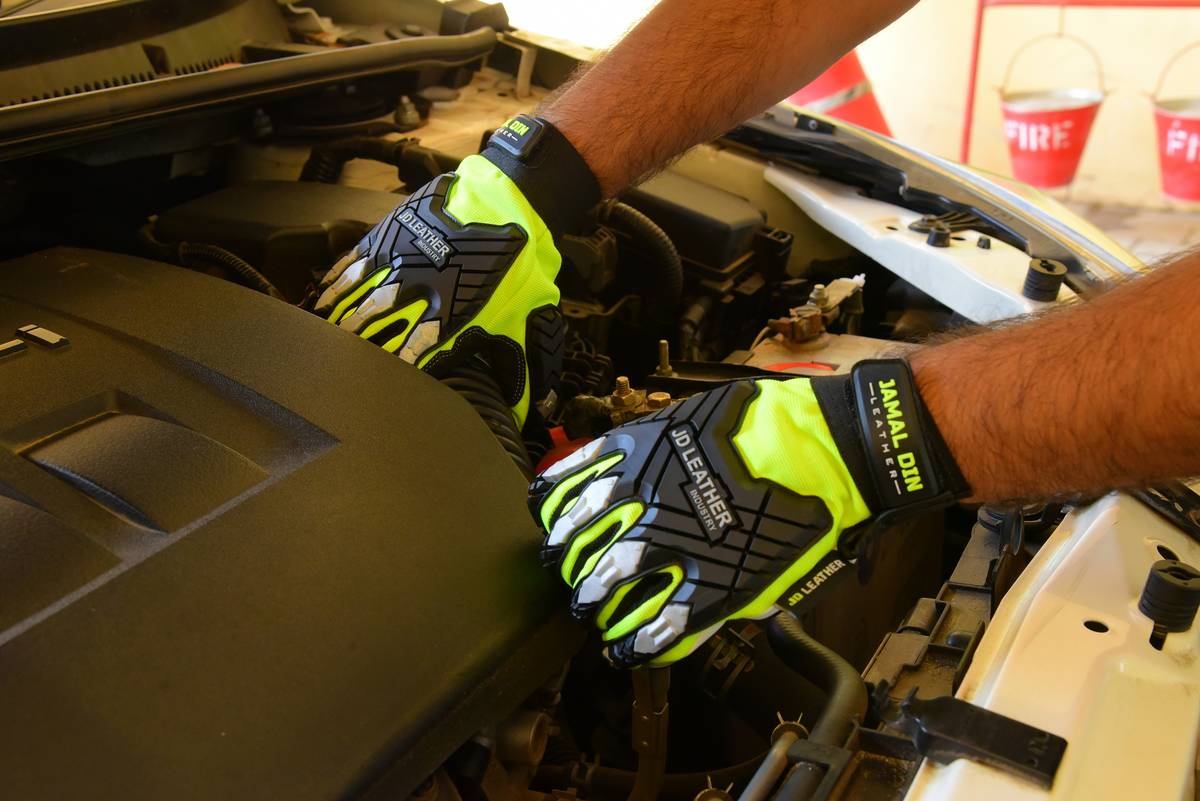
Compliance hinges on construction—not just surface claims. Double-stitched Kevlar® palm overlays? Thermoplastic rubber (TPR) knuckle guards rated to -30°C? These details dictate whether your glove survives a whipper or shreds on granite.
| Standard | What It Tests | Minimum Pass for Climbing | Red Flag If Missing |
|---|---|---|---|
| EN 388:2016 | Abrasion, cut, tear, puncture | 4141 (or higher) | Any score below 3 in abrasion |
| EN 420 | Fit, dexterity, skin safety | Mandatory for EU sale | Absence = non-ergonomic design |
| ANSI/ISEA 105 | Cut resistance (Tomodynamometer) | Level A4+ | No listed level = untested |
| ISO 13997 | Blade cut under load | Class C (≥5N) minimum | Omission = static-only testing |
The Industry Secret: Batch-Specific Recertification
Here’s what no brand tells you: compliance degrades over production runs. A glove batch made in January might pass EN 388. But by July—due to supplier rubber compound changes—it might not. Top-tier manufacturers (like Petzl or Black Diamond) conduct quarterly recertification per batch. Ask for it. If they hesitate, their “compliance” is a one-time checkbox—not an operational standard.
And don’t fall for “meets OSHA guidelines.” OSHA doesn’t regulate climbing gloves. That line is pure legal CYA theater.
Frequently Asked Questions
Are CE-marked gloves automatically compliant?
No. CE marking is self-declared unless backed by a Notified Body (NB) number. Always verify the NB code.
Can I retrofit non-compliant gloves to be safe?
Never. Material integrity is engineered from the start. Adding tape or patches creates weak points under load.
Do winter climbing gloves follow different standards?
Yes—they must also meet EN 511 for cold resistance. Ignoring this risks brittle failure at sub-zero temps.