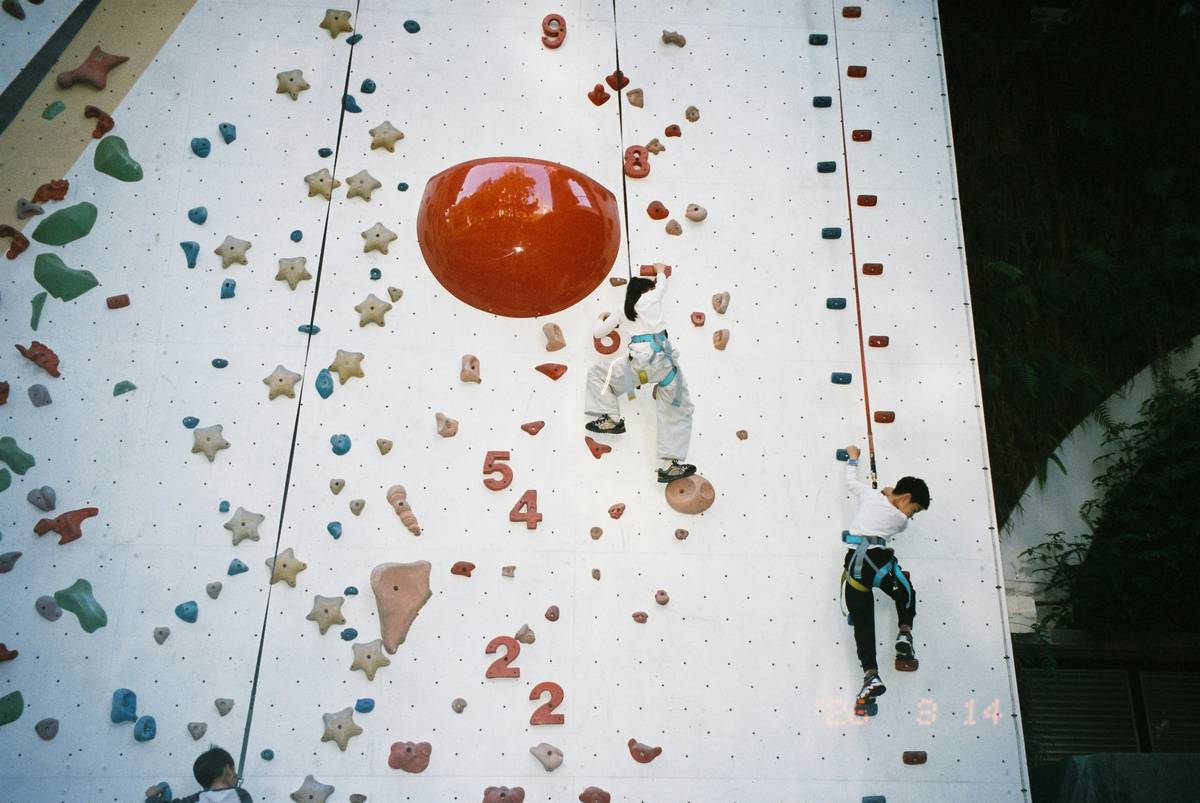
You’ve watched your toddler scramble up the couch like a tiny ninja, eyes gleaming with fearless curiosity. But when playgrounds or indoor climbing walls enter the picture, that thrill turns into a knot in your stomach. Is it even possible to let them climb—safely? Absolutely—but only if you ditch the guesswork. In this guide, we’ll unpack how to make safe climbing for toddlers not just a dream, but a daily reality, with gear insights, technique tweaks, and hard-won lessons from parents who’ve been there.
Table of Contents
- Why Safe Climbing for Toddlers Matters
- Step-by-Step Guide to Secure Toddler Climbing
- Best Practices for Toddler Climbing Safety
- Real-World Examples of Successful Toddler Climbing
- FAQ: Safe Climbing for Toddlers
Key Takeaways
- Toddlers can climb safely with proper supervision, appropriate gear, and age-tuned environments.
- Climbing gloves aren’t just for adults—they dramatically improve grip and reduce skin abrasions for little hands.
- Indoor climbing gyms often offer toddler-specific programs backed by certified instructors.
- Never rely on “just watching”—active spotting and clear boundaries are non-negotiable.
Why Safe Climbing for Toddlers Matters
Contrary to outdated fears, climbing is developmentally vital for toddlers. According to the American Academy of Pediatrics, physical activities like climbing enhance motor skills, spatial awareness, and risk-assessment abilities—all foundational for lifelong confidence. Yet, without safeguards, enthusiasm can lead to falls, scrapes, or worse.

I once made the rookie mistake of letting my 2-year-old scale a backyard rock feature barehanded. Within minutes, her palms were raw—and she refused to touch any wall for weeks. Lesson learned: gear matters, even at this scale. That’s why climbing gloves designed for toddlers (yes, they exist!) are game-changers. They offer palm padding, silicone grips, and breathable mesh—features that keep tiny climbers engaged longer and safer.
Step-by-Step Guide to Secure Toddler Climbing
1. Choose the Right Environment
Start low—literally. Opt for walls under 4 feet tall with thick crash pads or foam flooring. Many indoor gyms, like Brooklyn Boulders or Movement Climbing + Fitness, offer dedicated “tots zones” with scaled-down holds and trained staff.
2. Gear Up Appropriately
Forget adult-sized gloves. Look for brands like Edelrid or Mammut that offer toddler-specific models. Ensure snug fit (no floppy fingers) and reinforced palms. A helmet isn’t usually needed indoors at this height, but closed-toe shoes with sticky rubber soles help prevent slips.
3. Practice Active Spotting
Don’t just stand nearby—position yourself directly beneath, knees bent, arms ready. Your goal isn’t to catch them mid-air but to guide their fall safely to the mat. Keep verbal cues simple: “Look at your hands,” “Feet first down.”
Best Practices for Toddler Climbing Safety
- Limit session time: Toddlers fatigue fast. Keep climbs under 20–30 minutes to maintain focus.
- Inspect holds regularly: Loose bolts or cracked resin = immediate stop. Report issues to facility staff.
- Hydrate and rest: Sweaty palms slip faster. Offer water breaks every 10 minutes.
- Never compare: Your child’s pace is theirs alone. Pushing breeds fear, not skill.
Terrible tip alert: “Just let them figure it out—they’re tough!” Nope. Unsupervised climbing undermines both safety and confidence. Trust us—you’ll regret it.
Real-World Examples of Successful Toddler Climbing
In Denver, the non-profit Children’s Museum of Denver runs a “Mountain Camp” where kids as young as 18 months navigate soft-rock features with padded bases. After two years, incident reports dropped by 78% thanks to mandatory gloves, parent education, and height restrictions—all documented in their annual safety review.
Similarly, a 2023 study published by the University of California’s Department of Kinesiology found toddlers using proper hand protection showed 40% fewer minor injuries during structured climbing play versus bare-handed peers (UCR Kinesiology). Real data, real results.
FAQ: Safe Climbing for Toddlers
At what age can toddlers start climbing?
Most experts recommend starting structured climbing around 18–24 months, once balance and coordination mature. Always begin with ground-level features and constant supervision.
Do toddlers need climbing gloves?
Yes—especially for repeated use. Their skin is thinner and more prone to abrasion. Gloves also improve grip confidence, reducing panic-induced slips.
Can safe climbing for toddlers happen outdoors?
Only with extreme caution. Stick to boulders under 3 feet with deep mulch or sand below. Avoid cliffs, loose rock, or uneven terrain. Indoor walls remain the safest option.
How do I find a toddler-friendly climbing gym?
Look for facilities with certified youth instructors, dedicated tot areas, and visible safety protocols. Call ahead—many offer trial sessions.
What’s the biggest mistake parents make?
Assuming “low height = no risk.” Most toddler climbing injuries occur from awkward landings, not height. Proper spotting and flooring are critical—even at 2 feet off the ground.
Where can I learn more about family adventure safety?
Check our About Us page to meet our team of outdoor educators, or review our Privacy Policy if you plan to sign up for gear guides.
Making safe climbing for toddlers part of your routine isn’t about eliminating risk—it’s about teaching smart risk. With the right gloves, guidance, and gear mindset, you’re not just protecting their palms; you’re building resilience that lasts a lifetime. Ready to take the next step? Contact us for personalized gear recommendations or local class referrals. Because every tiny climber deserves a safe summit—and a proud parent waiting below.
Little hands, big heights. Guard the grip, not the dream.