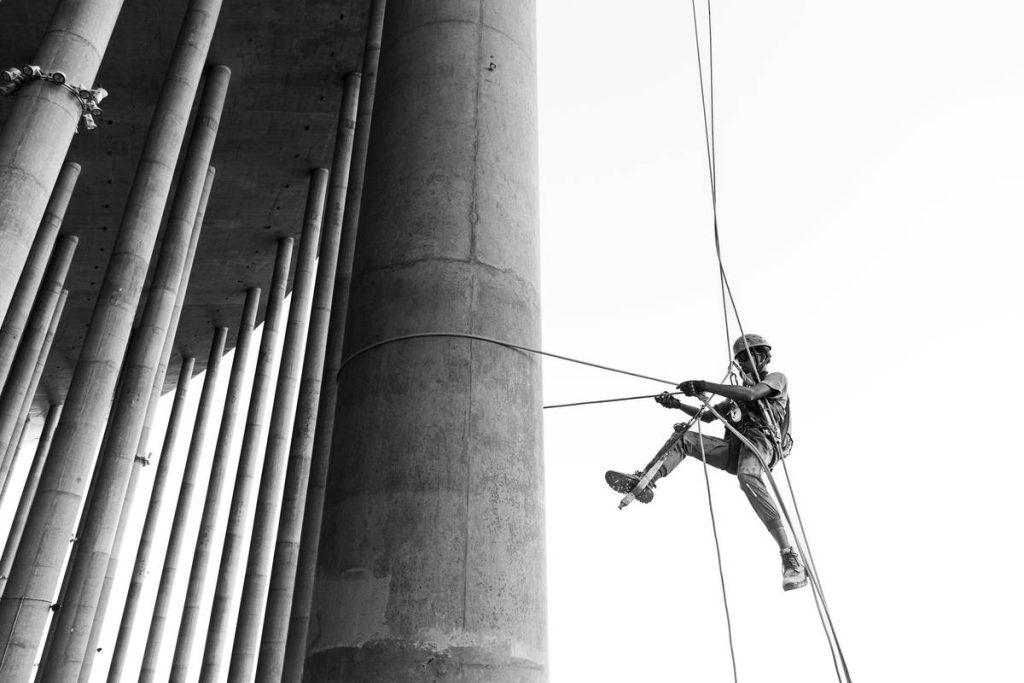
You trust your life to a rope, carabiners, and harness—but skip gloves? Big mistake. Most climbers treat hand protection as optional comfort gear. It’s not. One slip on wet granite or a sudden rope burn can end your season—or worse. Certified safety gloves aren’t just padding; they’re engineered armor that meets rigorous international standards for abrasion, cut resistance, and grip under duress.
Why “Good Enough” Climbing Gloves Fail When It Matters Most
That $15 pair from the bargain bin? It might feel fine on gym holds. But outdoors, conditions change fast. Rain slicks limestone. Rope fibers fray. Edges bite like teeth. Standard gloves lack certification—meaning zero third-party validation of performance under load. They absorb water, stretch out, or tear clean through when you need them most. And here’s the ugly truth: many brands slap “tactical” or “pro” on labels with no EN 388 or ANSI/ISEA 105 compliance whatsoever.
Certified safety gloves exist for a reason—they pass standardized tests for mechanical risks. No certification? You’re gambling.
Your Step-by-Step Guide to Choosing Real Certified Safety Gloves
Know the Certifications That Actually Matter
Look for EN 388 (Europe) or ANSI/ISEA 105 (USA). These rate gloves on abrasion, cut, tear, and puncture resistance. Level 4+ in abrasion? Non-negotiable for multi-pitch. Skip anything without a visible rating label stitched into the cuff.
Prioritize Dexterity Without Sacrificing Protection
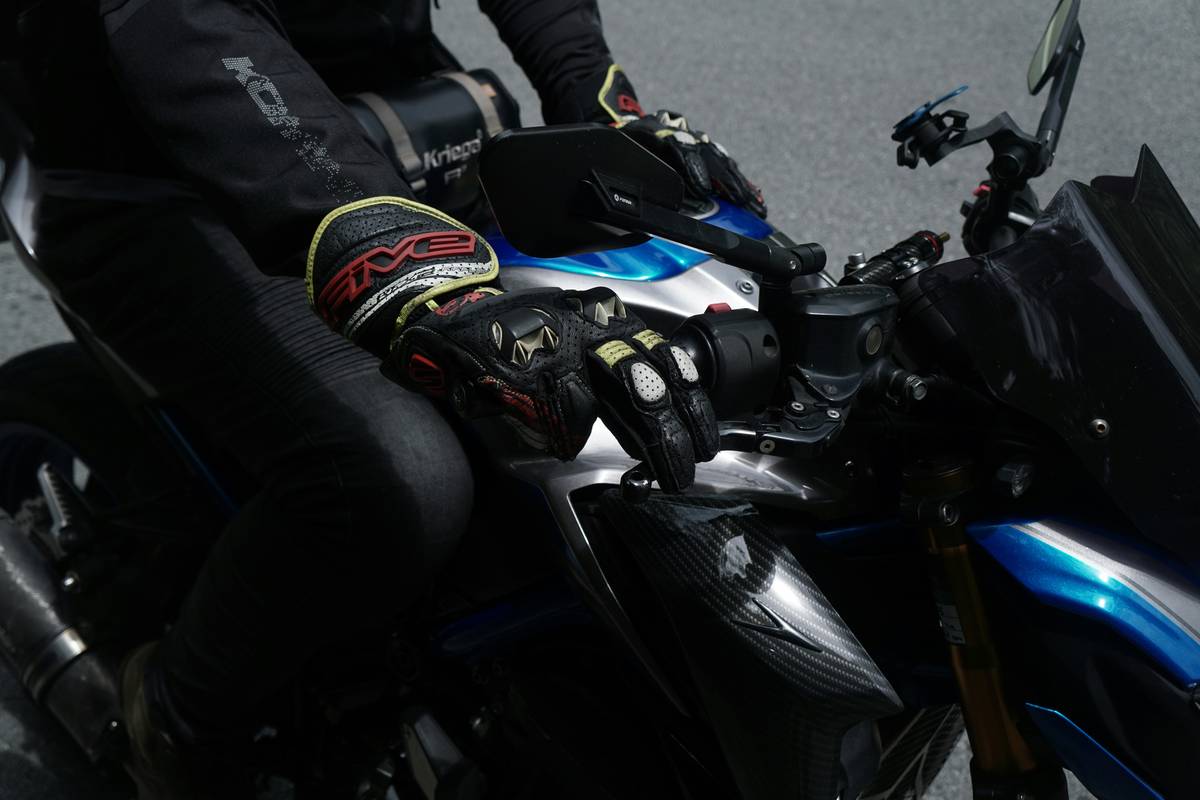
Thick leather feels secure—until you can’t tie a figure-eight. The best certified safety gloves use layered composites: goatskin palms for sensitivity, Dyneema® liners for cut resistance, and silicone grips that work wet or dry. Test thumb mobility before buying.
Match Glove Design to Your Discipline
Trad climbers need reinforced knuckles and full-finger coverage. Sport climbers? Opt for 3/4 finger models with breathable backs. Alpine routes demand waterproof membranes—but only if the membrane doesn’t trap sweat and cause slippage.
| Glove Type | Certification Level | Best For | Avg. Lifespan (Hard Use) |
|---|---|---|---|
| Full-Finger Leather w/ Kevlar Liner | EN 388:4143 / ANSI Cut Level A4 | Big Wall, Trad, Rescue | 8–12 months |
| 3/4 Finger Synthetic w/ Silicone Grip | EN 388:3132 / ANSI Cut Level A2 | Sport Climbing, Bouldering | 4–6 months |
| Waterproof Membrane (Gore-Tex®) | EN 388:3232 + IPX7 Water Rating | Alpine, Ice, Mixed | 6–9 months |

The Industry Secret Nobody Talks About: Re-Certification Isn’t a Thing
Here’s what manufacturers won’t tell you: once a glove is used heavily, its protective ratings degrade—even if it looks intact. UV exposure weakens fibers. Abrasion thins liners. Sweat salts corrode stitching. Yet there’s no field test for real-time certification status. The math is simple: rotate gloves every 6 months if you climb weekly. Track usage like you do your cams. And never—ever—rely on gloves past their visible wear point just because they “still feel okay.” That false confidence kills.
Think about it: you wouldn’t use a retired rope. Don’t treat gloves differently.
Frequently Asked Questions
Are certified safety gloves required by climbing gyms?
No major gym mandates them—but outdoor guides and commercial operations often do, especially for via ferrata or rescue training.
Can I wash certified safety gloves without ruining protection?
Hand-wash cold with mild soap. Never machine-dry. Heat destroys synthetic fibers like Dyneema® and degrades water-resistant coatings.
Do thicker gloves always mean better protection?
Not necessarily. Overbuilt gloves reduce tactile feedback, increasing fumble risk. Optimal protection balances certified materials with fit precision—not bulk.